
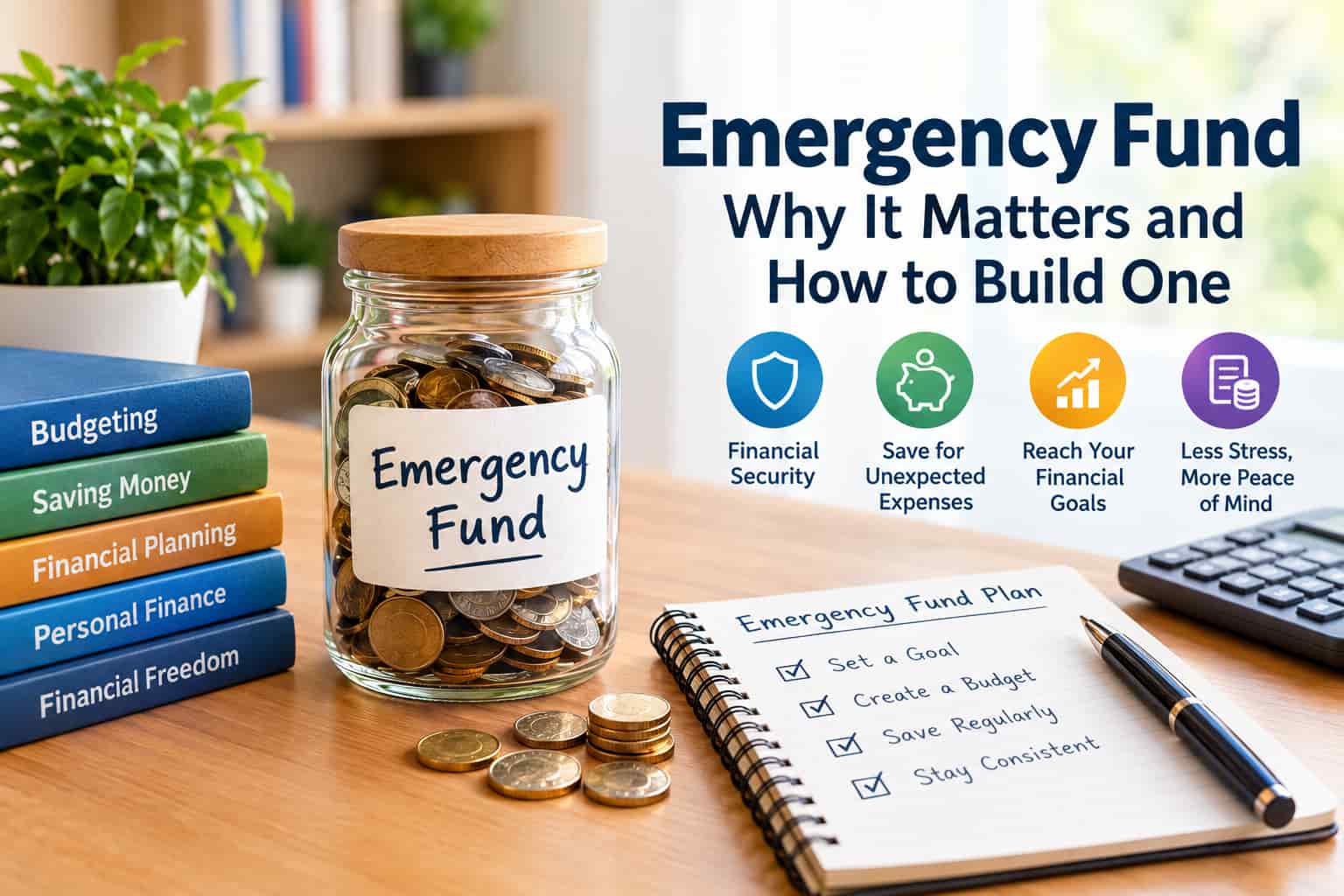

An emergency fund is one of the most crucial aspects of personal finance and financial planning. Life is unpredictable, and so are the costs associated with it such as medical, car repair, home maintenance, employment loss, etc., can cause financial strain. Many do not have emergency savings and instead turn to their credit card and/or loans, which can lead to debt and financially related issues in the future.
An emergency fund will ensure a sense of financial security and provide peace of mind. No matter if you are just beginning to make your way into the world of money or you’re just seeking a better understanding of how to manage your cash, having a particular emergency cash squirrelly can shield your finances from rough weather.
What Is Emergency Fund?
An Emergency Fund is funds that are saved especially for unexpected expenses and emergencies. Emergency savings are specifically for emergency needs and are in addition to the amount one has set aside for other purposes that can include a vacation, shopping or planned purchases. If you have a financial emergency, you may need to get medical attention, make critical home repairs, get a new car to replace a car that has a serious problem, or have some income that can’t be deferred. The idea is that you don’t want to encounter monetary problems that descend into a debilitating debt load.
Why Is an Emergency Fund Important?
While lots of people tend to concentrate on how to make more cash, they neglect to pay attention to how to shield their funds. An emergency fund meaning is a financial cushion to help keep you on track, even during unexpected events.
With a reserve of funds, the stress and financial insecurity are of much less concern. You don’t need to fret over the funding of expensive or sudden costs, since you will have cash that is kept in your emergency fund and not have to borrow money. This way, you can keep going with key financial objectives like investing, retirement and building wealth. A healthy emergency fund also helps to allow better money management, which decreases the need to rely on high interest (expensive) debt.
How Much Should You Save in an Emergency Fund?
Many people are seeking out answers to personal finance questions and one of the most common ones is how much should one have in their emergency fund? Three to six months of necessities is the general guideline of how much to save. If your monthly living costs are $2000, for instance, the amount of your emergency fund should be $6,000 to $12,000.
If someone has an unstable income, freelance or self-employment it will be advisable to save even more. If this is too great of a goal, go with small steps. There are many financial planning professionals that recommend that you set up an initial emergency savings goal of 500-1,000, and then incrementally increase the amount over time.
How to Calculate Your Emergency Fund Amount
An emergency fund calculator can be used to determine the amount of money that you need. First, go through the list of your monthly expenses and include your housing, food, transportation, utilities, insurance and health costs. After you determine how much you spend each month, then multiply by three, six or twelve months, if you have enough money. The number you get from this calculation is a realistic number to target for your emergency fund, in the event of financial difficulties.
How to Build an Emergency Fund
The first step to creating a financial fund in case of emergency budget is to get into the habit of saving money regularly. Save up a monthly amount and have the same amount set aside as a saving. Making the transfer to a special savings account automated can make it easier. Another way of building up your emergency savings is to cut back on your unnecessary spending, cancel any unused subscriptions and put bonuses or side income into your savings. Any contribution big or small can make a big difference! It’s more important that you save consistently than it is to save a lot in the beginning.
Emergency Fund vs Savings Account
There is a lot of confusion around the difference between an emergency fund and a regular savings account, so let’s dethrone the myths surrounding the matter. You can use a regular savings account to save for a number of things, from vacations to home improvement plans or even to purchase something that you don’t have right now.
An emergency money is meant to serve one goal, however, – to make sure your financial security in unforeseen scenarios. Having emergency savings that are untouchable in some way from other savings can also help avoid accidental expenditure and make sure that the money is on hand when it’s needed the most.
Best Place to Keep an Emergency Fund
The ideal emergency savings account is not just secure and easily accessible, but also in a bank account. Many people will say that they should go into a high yield savings account; that way, they can save their money and still get interest, as well as it being safe.
Do not invest emergency funds in volatile investments like stocks and cryptocurrencies. Giving your money to investments may be a good way to make a profit, but they can also diminish when you’re at your most urgent need. Accessibility, stability and protection are the main objectives of emergency cash fund.
Emergency Fund for Beginners
If you are a new to budgeting for beginners and personal finance, don’t strain yourself to save thousands of dollars at once. Make a realistic goal and slowly work up to it. You can steadily build up your savings pool by creating a simple budget, keeping track of your expenses and following these basic saving money tips. It’s important to save regularly, rather than how much you save to begin with.
Common Emergency Fund Mistakes
The most frequently made error is making purchases that are not essential with emergency savings. Emergency funds are not a source of funds for shopping, entertainment or vacations. One of the common errors is not replenishing the fund after utilizing it. If you have to take money out of your account for a true emergency, it’s important to focus on replenishing the funds. Others also have inadequate emergency savings and don’t take into account increases in monthly expenses. It’s important to periodically check your financial plan to make sure that your savings are up to scratch.
How an Emergency Fund Supports Financial Goals
An emergency fund example is NOT a savings account. It is the initial step to financial planning and wealth accumulation. Financial emergencies are there, and your savings help you to keep your investments, retirement account and other important investments secure. This way you won’t be derailed from your long-term objectives to be able to pursue financial freedom. Having solid emergency savings also helps with decision making as you’re not under any pressure due to short term financial issues.
Conclusion
One of the best ways to help ensure your financial security is to save money in an emergency fund. It is useful to cope with unplanned costs, prevent excessive acquisition of debt and financial stability during tough times. You can start with a modest emergency savings objective or build up to several months of living expenses, but it’s all the more beneficial to your monetary future. Begin now, persist and establish the financial security everyone needs as part of a successful money management plan.
FAQs
What is an Emergency Fund?
An emergency fund is money that is set aside for specific unexpected events like medical bills, car repairs, home repairs or if you lose your job.
How much is enough to have in your Emergency Fund?
The general rule for saving is to save 3 to 6 months’ of living expenses, but it will depend on your financial situation.
Where to store emergency savings?
One of the best places to store an emergency fund is a high-yield savings account; it is a relatively safe place to store money and can be accessed easily.
Is it OK to invest the money in my emergency fund?
It’s best to keep emergency savings in low risk and easily accessible investments instead of volatile investments.
Why is it important to have an Emergency Fund?
An emergency fund is there to guard you financially, prevent debt and safeguard your long-term financial aspirations all while you’re in a crisis.




[…] stick to your financial goals no matter what they are, whether you’re looking to build up an emergency fund, purchase a home, pay off your debt, invest for retirement, or become financially free, it can […]