
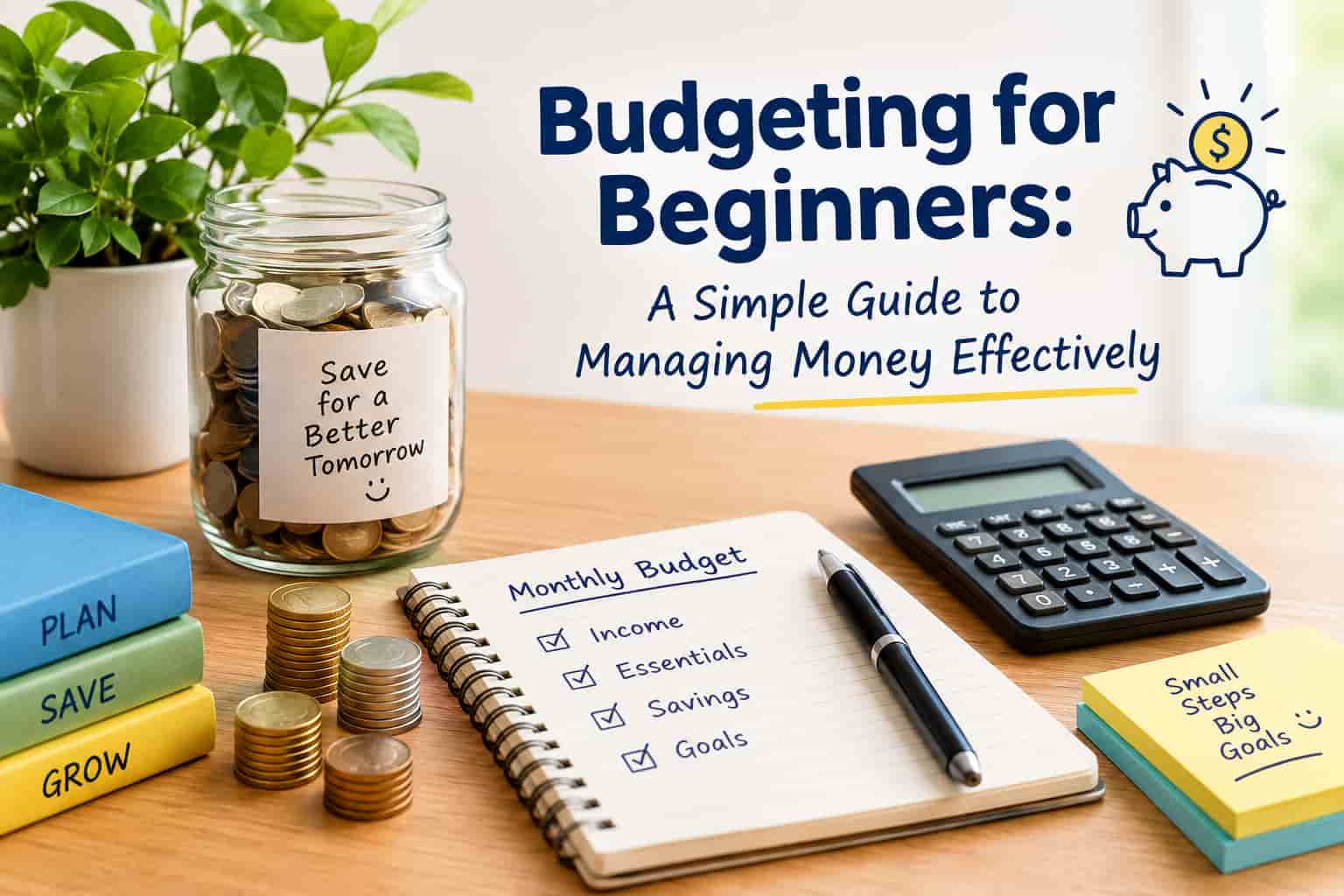

The first step in learning to manage money is to know how to make a budget. A lot of people work hard and are working hard to be able to make an income and yet they do not have a clear plan of how they can use the money that they make to save money or to have some financial goals that they can work towards. Budgeting for beginners is not a way to restrict your lifestyle! It’s about knowing your money, and making wise choices with each dollar you make.
Making a budget helps you take control of your money whether you’re saving money, paying down debt, building up an emergency fund, or enhancing your financial security. After you grasp the notion of budgeting things come much easier and less stressful for managing your personal finances.
What Is Budgeting?
Budgeting means making a plan for spending, saving and managing the income for a specific amount of time. Rather than asking yourself at the end of the month where your money went, a budget will help you channel your money where you want it to go. Budgeting is frequently referred to as “giving every dollar its job. By keeping a close watch on income and expenses, you’ll be able to understand where your money is going and make the necessary changes to work towards your financial goals.
Why is Budgeting Important?
The reason many financial issues start is they are unaware of their spending. Often the small purchases seem inconsequential, but they can add up. and impact your savings or investment goals. A budget can be a tool that gives you insights into those patterns, and can keep you on track with your priorities. Financial education research continues to indicate that individuals who create and adhere to a budget will build up emergency savings and attain financial objectives. Budgeting provides structure, helps to build financial discipline, and helps to minimize financial worries.
Understand Your Income and Expenses
The first step to creating a budget is to get a clear picture of your finances. Firstly, determine your monthly income from salary, freelance jobs, side income or any other source. The information regarding your exact income can help you set realistic limits on your spending. Then, look at your expenses in detail. Your monthly expenses include housing, transportation, groceries, other bills, insurance, subscriptions and entertainment. The tracking of these costs provides insights to areas which may require changes.
Create Your First Budget
The simplest budget is a budget for beginners! Break your income down by big groups, like needs, savings, debt repayment and personal spending. The ultimate aim is to make sure that there is enough money to pay the bills and still have some funds left over for future investing. A lot of people employ techniques for budgeting such as percentage expenditure plans to keep them balanced. Numbers will depend on individual circumstances but consistency is more important than perfection. It’s easier to stick to a realistic budget than a budget that is too restrictive.
Track Spending Consistently
It’s not enough to make a budget; you must also adhere to it. Money monitoring is the key to success, and should be done on a regular basis during the month. Expense tracking helps you to not overspend and maintain your financial plan. There’s no easier way to track than with some of the modern budgeting applications and online banking tools. A basic spreadsheet or notebook can be sufficient to get some great information. By monitoring regularly, you will be held accountable and will make informed financial decisions.
Build an Emergency Fund
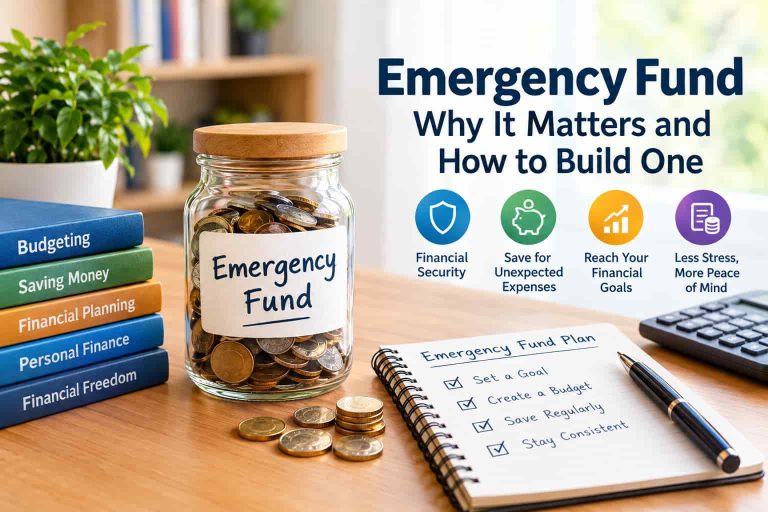
Even the best financial plans can be turned upside down due to unexpected expenses. Medical expenses, car repair and home emergencies are all things that can occur unexpectedly. A savings cushion to help you in tough times. Financial advisors say that they suggest you save three to six months of living expenses. While saving for an emergency may seem a long way off, it can ultimately give you peace of mind, and you can avoid relying on your credit card or personal loan for emergencies.
Reduce Unnecessary Expenses
It’s one way to save money fast that you’ll be able to significantly cut out from your budget to areas that do not give you a lot of value. These things can cost you a lot of money without you realizing it, such as subscription services, impulse buying and eating out often. Cutting back on needless expenses doesn’t entail a loss of enjoyment. Rather, it’s about making deliberate options that line up with your monetary objectives. If you can save even a few dollars a month by making a few changes, you will save a lot of money over time.
Set Financial Goals
Financial objectives help you to budget more effectively. Goals will give motivation and show how to spend money. A budget can help you reach milestones from buying a house, starting a business, travelling or getting financially independent. Specific objectives also allow for easy measurement of progress. When saving money for a specific goal it will seem more rewarding than saving money without a goal in mind.
Avoid Common Budgeting Mistakes
Many people who start a budget are so tight or idealistic in their budget that they’re only going to fail. If spending plans are not connected with the actual spending habits, it can be challenging to be consistent. It’s important to be flexible, as circumstances vary over time. Often, people make the error of not accounting for their irregular expenses like insurance, holiday, and home maintenance costs. These costs are a part of your financial plan, so you don’t end up with any surprises and your financial plan remains accurate.
Use Budgeting to Build Wealth
Budgeting is not just about keeping things under control. It is also the beginning of a long-term wealth building process. With all the costs taken care of efficiently, extra cash can go towards savings, investments, retirement plans and other options that can help build wealth. Good budgeting skills are essential to the success of investors and individuals with a secure financial position. When cash flow is well managed, it will provide opportunities for financial growth and stability in the long-term.
How Technology Makes Budgeting Easier
Financial technology has revolutionized the financial management of people. Budgeting Apps, online banking platforms, expense trackers and financial dashboards offer up-to-the-minute information regarding expenditures and savings. There are many tools that automatically classify transactions and produce reports, assisting to keep things organized. With technology, budgeting can be simplified and you can keep track of your budget.
Conclusion
One of the most beneficial steps you can take to be successful financially is to begin budgeting. With a well thought out budget you’ll be able to see what is coming in, be able to manage your spending, make savings, minimise debt and achieve financial goals. Making a small change over and over time can yield great results. It doesn’t happen overnight when it comes to money matters. It is built by making good decisions, establishing good habits and sticking to a sensible approach to money management. With just a simple budget now, you can build a better financial future in the future.
FAQs
What is budgeting for beginners?
Budgeting for beginners involves making a straightforward plan that may be used to monitor earnings, handle costs, lower costs and make plans financial goals.
Why is it important to have a budget?
Planning your finances can be a useful way of managing expenses, help you save more money, alleviate financial stress and ensure financial stability in the long term.
What are the first steps for beginning to develop a budget?
First, determine how much money is coming in each month, list your expenses, divide your money into categories and regularly review your money.
What is the worst budgeting error that you can make?
The most frequent error is to draw up a budget that is so impractical that it is hard to stick to.
Can financial planning help you to grow your wealth?
Yes, Good budgeting helps you to manage your cash flow better and can help you save, invest and build wealth.



[…] your basics, save for your future and pay off your debts as well as make spending choices. Through better budgeting, financial discipline and improved cash flow management is often […]